

Handmade pendant lights for dining tables, dining rooms & open plan spaces
Ceramic Dining Pendant Lights & Light Fixtures
Ceramic Pendant Lights for Dining Rooms & Tables




All About Ceramic Lights
Dining Room Pendant Lights vs Kitchen Island Lights: Choosing the Right Fixture
When choosing lighting for your home, it’s important to understand the difference between kitchen lights and dining room lights. Both spaces serve different purposes, and the right fixture can make all the difference in functionality and style. 1.Kitchen Lights The kitchen is a task-oriented space where you prepare meals, cook, and often gather casually. Kitchen lighting needs to be practical, bright, and well-distributed. Popular options include pendant lights over a kitchen island, flush mount ceiling lights for general illumination, and wall sconces for added accents. Materials like ceramic pendant lights are perfect for kitchens because they combine durability with a warm, handcrafted look. 2.Dining Lights Dining rooms, on the other hand, are about ambiance and atmosphere. Here, the goal is to create a welcoming environment for family dinners or entertaining guests. A dining room pendant light or a chandelier above the dining table provides a focal point and sets the mood. Unlike kitchen lights, dining fixtures can lean more decorative, with softer tones and layered designs that enhance the dining experience.
How to Choose Ceramic Pendant Lights for Your Dining Room
Dining rooms are unique spaces where lighting needs to balance functionality and atmosphere. The right fixture not only provides adequate illumination but also sets the tone for family meals and entertaining guests. The three most common options are: 1.Linear Dining Lights – long multi unit fixtures that spread light evenly across rectangular tables. 2.Dining Pendant Lights – single or clustered pendants that add focused, modern character. 3.Dining Chandeliers – statement pieces that combine decoration with soft, ambient light. ________________________________________ 1. Dining Table Shape & Size The size and shape of your dining table are the first things to consider. •For rectangular or elongated tables, linear dining lights are the best choice. They distribute light evenly across the entire surface so no seat feels too dim. •For round or square tables, opt for a chandelier or a cluster of pendant lights that create a central focal point. •As a general rule, your fixture should measure about half to two-thirds the length of the dining table, ensuring proportion without overwhelming the space. ________________________________________ 2. Ceiling Height & Room Proportions Ceiling height plays a big role in choosing the right dining light. •With standard ceilings (8–9 ft), hang chandeliers or pendants so the bottom of the fixture sits 30–36 inches above the table surface—low enough to create intimacy, high enough to allow conversation. •For higher ceilings (10 ft and above), larger chandeliers or multiple pendant drops add scale and drama. •Linear fixtures suit dining rooms with elongated proportions, filling the horizontal space without feeling bulky. ________________________________________ 3. Lighting Needs & Atmosphere Think about how you use your dining room. •If it doubles as a multifunctional space (homework, reading, work), consider linear or pendant lights with stronger downward illumination for clarity. •If your goal is to create soft, atmospheric lighting for dinner gatherings, a chandelier with diffused shades or dimmable pendants will set the mood perfectly. •Adding a dimmer switch ensures flexibility, letting you shift from bright everyday lighting to warm, ambient tones for special occasions. ________________________________________ 4. Design & Style Factor Lighting also serves as décor, so style matters. •Linear dining lights bring a sleek, modern, and minimal look, perfect for contemporary interiors. •Dining pendants are highly versatile, ranging from rustic clay pendants to elegant glass drops, making them adaptable to almost any interior theme. •Chandeliers act as a statement centerpiece—whether traditional, modern, or handcrafted ceramic, they instantly become the visual anchor of your dining room. ________________________________________ 👉 Pro Tip: In open-plan layouts, coordinate your dining lights with kitchen pendants to maintain flow and cohesion. In standalone dining rooms, treat your chandelier or linear fixture as the hero piece that defines the entire space.
Best Pendant Lights for Dining Tables - What Works and Why
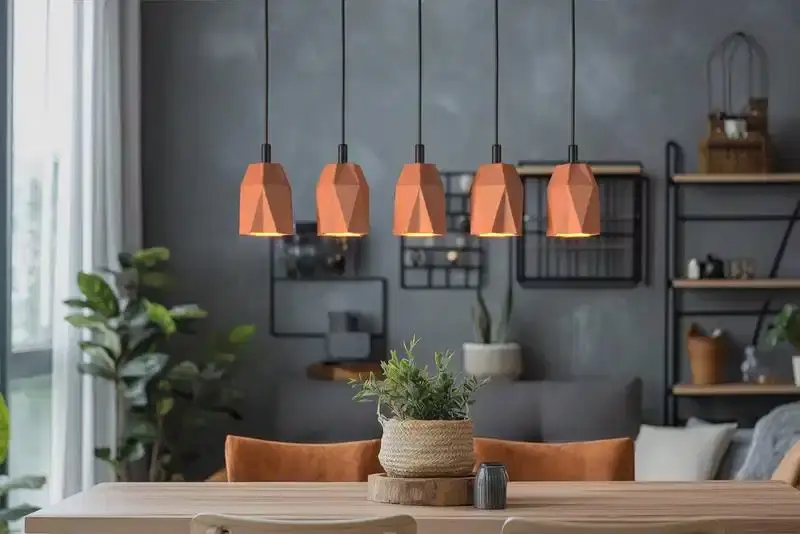
The right pendant light for a dining table does three things at once: it illuminates the table surface without glare, it defines the dining zone visually within a larger room, and it holds its own as an object worth looking at when the table is cleared. Most pendant lights sold online do one of these well. Very few do all three. Scale is the first thing to get right. A pendant or cluster that is too small for the table disappears visually and under-lights the surface. The rule most interior designers use: the diameter of your pendant (or the combined spread of a cluster) should be roughly half to two-thirds the width of the dining table. For a standard 36-inch wide table, that means a pendant between 18 and 24 inches across, or three smaller pendants spaced evenly to cover the same width. For a long rectangular table over 72 inches, a linear arrangement of two or three pendants works better than a single large fixture, as it distributes both light and visual weight more evenly. Hanging height matters as much as size. The bottom of your pendant should sit 28 to 34 inches above the tabletop for a dining table with standard 8-foot ceilings. Higher ceilings allow the fixture to hang lower without obstruction, which intensifies the pool of light on the table surface and makes the fixture more visually prominent. If you have a ceiling above 10 feet, consider adding cord length so the pendant hangs at the same effective height rather than floating too far above the table. Material changes everything about the light quality. Ceramic pendants direct light downward in a warm, concentrated pool, which is ideal for dining. It illuminates food and faces without the harsh overhead feel of a bare bulb or glass shade. The opacity of ceramic also means the shade itself glows softly at the rim where light escapes, adding ambient warmth to the room beyond the table. This is why ceramic dining pendant lights photograph so well and why they work in rooms where other pendants feel too industrial or too cold. Sets of 2 and 3 over rectangular tables. A single pendant works beautifully over a round table up to about 48 inches across. For anything larger, or for rectangular tables, two or three pendants in a row create better light coverage and a more considered look. The pendants do not need to be identical. Mixing the terracotta and natural clay finishes of the same form creates a layered, handcrafted effect that works particularly well in wabi-sabi and organic dining interiors. For our complete guide on pendant hanging heights across all spaces, read our full [ergonomic hanging lamp guide]. (Link "ergonomic hanging lamp guide" to: https://www.naayastudio.com/post/ergonomic-approach-to-hanging-lamp-over-table)
Stylish Dining Room Pendant Lighting - Style Guide
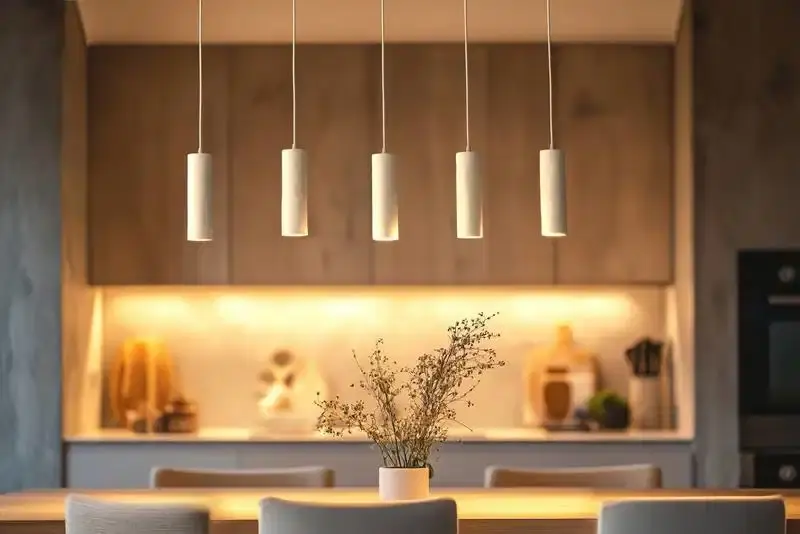
Dining room pendant lighting is one of the most visible design decisions in a home. Unlike kitchen pendants that are partly functional or bedroom lights that are largely ambient, a dining pendant is always on display, seen from the living room, from the kitchen, from the entrance. It carries the full weight of the room's design intent. These are the styles worth considering, grounded in what actually works rather than what photographs well in showrooms. Wabi-Sabi Dining Pendants Wabi-sabi pendant lights are the most versatile option for dining rooms because their imperfect, organic forms work with almost any table material or interior palette. A terracotta wabi-sabi pendant over a raw wood dining table is a combination that has appeared in interior design publications consistently for three years and shows no sign of dating. The appeal is practical as much as aesthetic: wabi-sabi ceramic pendants have no hard edges, no reflective surfaces, and no decorative details that can look tired after a few years. The form is the decoration, and the form is timeless. For rectangular dining tables, a row of two or three wabi-sabi pendants in matching or tonal finishes creates a cohesive dining zone. Natural clay and terracotta are the most popular finish combinations for this arrangement: close enough to read as a set, different enough to feel handmade rather than manufactured. Statement Dining Pendants and Chandeliers A statement pendant or ceramic chandelier over a dining table works best in rooms where the surrounding furniture and walls are relatively quiet. The fixture becomes the focal point of the room, which means everything else should support rather than compete with it. Statement ceramic chandeliers work particularly well in dining rooms with high ceilings. They fill vertical space that a single pendant cannot, and their visual weight is proportional to the scale of a proper dining room rather than looking undersized. For dining rooms with standard ceiling heights, a statement pendant with a wide, low form rather than a tall one keeps the fixture within the visual field of people seated at the table, which makes it feel more intimate and intentional. Linear Dining Pendant Lights Linear pendant arrangements (two or three pendants hung in a row above a rectangular dining table) are consistently recommended by interior designers for good reason. They solve the scale problem of long tables, distribute light evenly across the full table surface, and create a horizontal line that mirrors the table below, giving the room a sense of visual completeness. Ceramic linear pendants work particularly well over dining tables because the material adds warmth that metal bar fixtures cannot. Three Dome or Morning Bell pendants in a row over a 72-inch dining table in matching finishes is one of the most searched and most photographed dining lighting arrangements of 2025-2026. The key is consistent cord length so all three pendants hang at exactly the same height; any variation reads as a mistake rather than a deliberate design choice. Modern and Minimalist Dining Pendants For dining rooms with a contemporary or minimalist interior (clean lines, neutral palettes, handleless cabinetry) a ceramic pendant in an off-white, ivory or grey finish provides the organic warmth that pure white or metal fixtures lack, without introducing colour or pattern that disrupts the calm of the space. The Dome, Conix and Bottleneck forms work particularly well in this context: clean profiles, no ornamentation, and a material that adds texture and humanity to an otherwise controlled interior. Nordic Dining Pendant Lights Nordic style dining pendant lighting combines the functional clarity of Scandinavian design with natural materials. Light wood dining tables, linen seating, and natural clay pendant lights are a combination that appears consistently in Nordic and Japandi-influenced dining rooms. The key characteristic of nordic dining pendant lighting is restraint: one pendant or a simple row of two, in a natural or off-white finish, with no additional decorative elements competing for attention. The ceramic material does the work that fabric or paper shades do in more traditional nordic interiors, but with far greater durability and a more considered weight.
Dimmable Or Non-Dimmable
All our lamps are designed with sockets compatible with dimmable bulbs, giving you full control over light intensity. While many builders suggest that kitchens don’t need dimmable setups, we strongly disagree. The way our eyes perceive brightness depends on both the light level and our adaptation to it, for example, how a room feels dim after stepping in from bright sunlight. The same effect can occur when adding pendant lights or chandeliers to a kitchen or dining area. With dimmable lighting, you can fine-tune brightness to your comfort level, ensure your space never feels too dark, and even shift into soft mood lighting when the occasion calls for it.
Care and Maintenance
Ceramic ceiling lights are naturally low-maintenance. A simple, regular dusting is usually enough to keep them clean. ⚠️ Important: Never use sticky tapes on the surface of the lamp—whether matte or painted—as they can permanently damage the finish. For stains on matte surfaces, clean gradually rather than trying to remove them in one step. Use mild soap water and a clean white cloth, gently wiping the surface and letting it dry before repeating if necessary. Avoid aggressive scrubbing, as this can harm the finish. It’s normal for clay to appear darker when wet; it will return to its original color once dry. For deeper cleaning, a slightly damp cloth is sufficient. Always avoid abrasive cleaners or harsh chemicals to preserve both the painted finishes and the natural clay body. Installation Flush and semi-flush ceiling lights must be installed by a qualified electrician. Please caution them against using tape on the surface of the lamp for markings, as this may damage the finish. Also, remind your installer that ceramic fixtures are heavier than standard lights and must be secured properly—either on the junction box or directly into wooden studs beneath a false ceiling, and never fixed on plasterboard alone without reinforcement. For added protection, we recommend keeping the wrapper on the lamp until the final installation is complete, whenever possible. Frequently Asked Questions Can I use dimmable bulbs? Yes. All Naaya Studio ceiling lights are compatible with dimmable bulbs, allowing you to control brightness and mood. Which bulb is best for ceramic ceiling lights? We suggest warm-toned LED bulbs (2700K–3000K) for optimal comfort, efficiency, and long life. Are ceiling lights suitable for low ceilings? Absolutely. Flush mount designs are specifically made for standard or low ceilings, ensuring safe clearance and ample illumination. 👉 With proper installation and simple care, Naaya Studio ceramic ceiling lights will provide lasting functionality and timeless beauty, making them a smart and sustainable choice for your home.
