

Ceramic Table Lamps & Floor Lamps
Ceramic Table Lamps & Floor Lamps for Bedrooms, Living rooms and Hallway







All About Ceramic Lights
Which works better in a bedroom: a table lamp or a floor lamp?
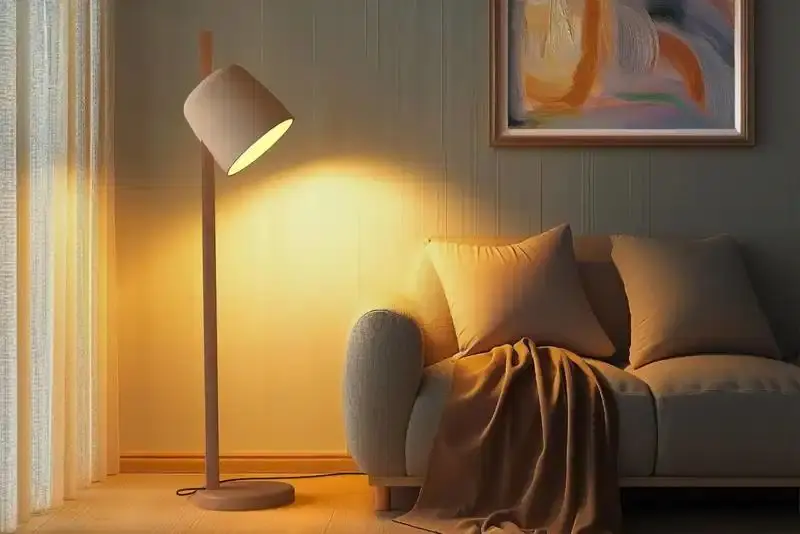
Both work well in a bedroom, but they serve different purposes. A ceramic table lamp on a bedside table gives directed light for reading and creates a warm, grounded feel on either side of the bed. A floor lamp works better in a bedroom corner where there is no surface to place a lamp, or where you want soft ambient light without a ceiling fitting. For larger bedrooms, combining both adds layered light: a floor lamp in the corner for general warmth, table lamps beside the bed for task lighting. In ceramic, both types bring the same material quality to the room; the choice is really about where the light needs to land.
Which rooms work best with a ceramic table lamp?
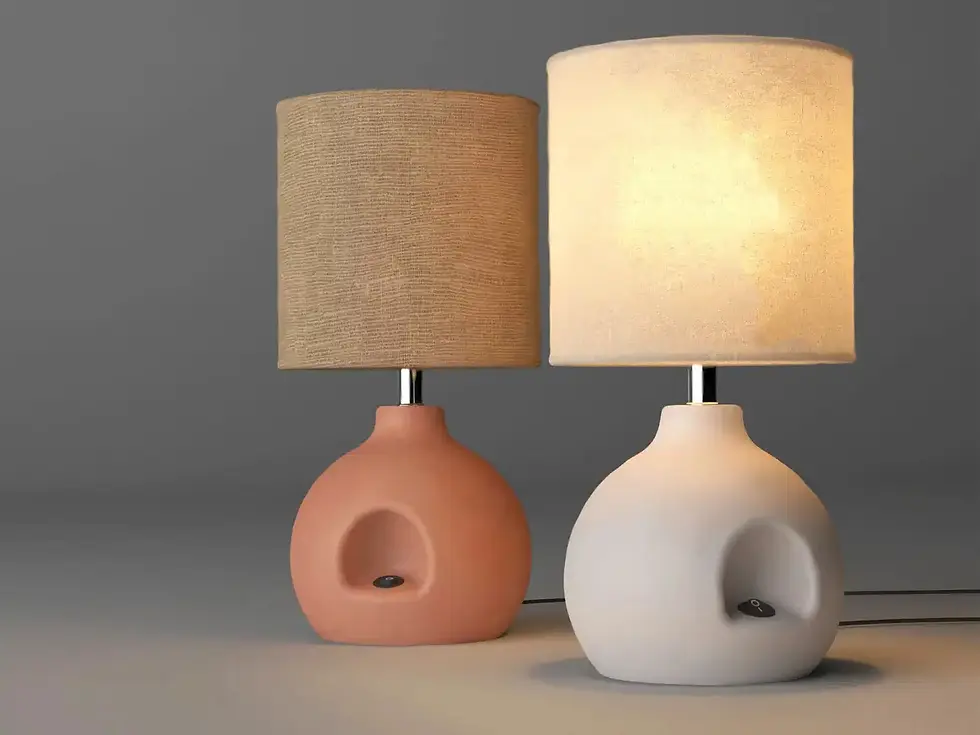
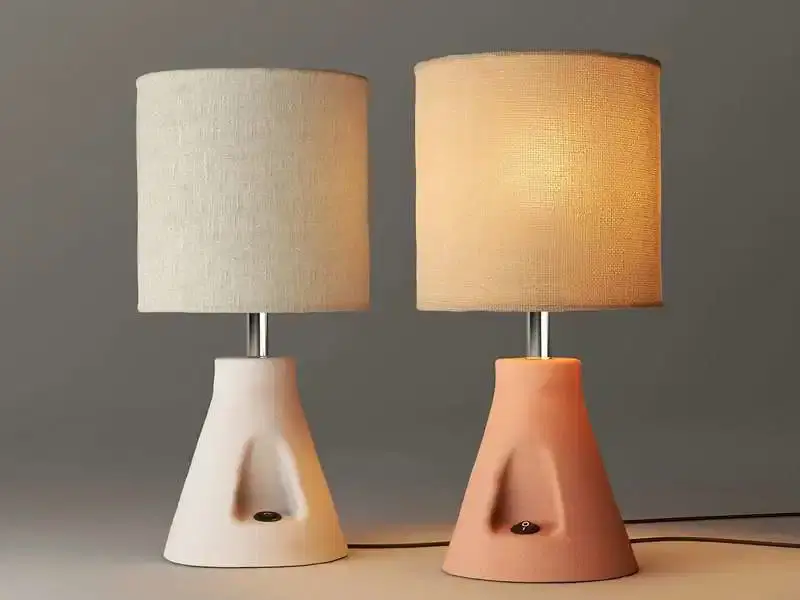
Ceramic table lamps suit bedrooms particularly well, where a pair on either side of the bed creates symmetry without visual weight. In a living room, a single table lamp on a side console adds warmth to a corner that a ceiling light would not reach. They also work in home offices as task lighting with a softer character than standard desk lamps. White clay and natural finishes tend to read quietly in most interiors; terracotta and off-white work especially well in earthy, wabi-sabi, or Japandi-style spaces. For small rooms, choose a lamp with a narrower base so the ceramic form reads as sculpture rather than furniture.
How do I choose the right size ceramic floor lamp for my living room?
For a living room, a floor lamp should stand between 150 and 175 cm tall so the light source sits just above seated eye level. Pair it with a sofa or armchair rather than placing it in open floor space; the lamp anchors the seating area and makes the room feel composed. In larger living rooms, a floor lamp with a wide or open shade distributes light broadly; in a reading corner, a narrower directed shade works better. Ceramic floor lamps in natural or off-white finishes tend to blend with most colour schemes. Arc-style floor lamps suit coffee table areas where you want light directly overhead without a ceiling pendant. Each wabi-sabi pendant light in the Naaya range is hand-thrown on a pottery wheel, meaning no two pieces are identical. Surface variations in clay tone, texture and form are inherent to the process and are considered part of the object's value rather than defects to correct. This approach is why wabi-sabi pendant lights consistently photograph distinctively and hold visual weight in a room that smoother alternatives cannot. A wabi-sabi ceramic pendant over a kitchen island or dining table reads as a considered, singular choice rather than a standard fitting. Available in terracotta, natural clay and white. Compatible with standard LED bulbs.
Ceramic lamps suit a wide range of interiors, including modern and contemporary spaces, provided the form is the right one. Clean-shouldered shapes in white clay or matte natural finishes read as modern; more organic, asymmetric wabi-sabi forms suit interiors with texture and warmth. The material itself, unglazed clay, is neutral enough to sit alongside concrete, linen, timber, and painted plaster. In a minimal modern bedroom, a pair of simple ceramic table lamps in off-white can function as the only decorative objects in the room. The key is to match the lamp's silhouette to the room's lines rather than its style label.
White clay is the most versatile finish and suits bedrooms, living rooms, and home offices equally. Natural finish, an unaltered warm beige, works especially well in rooms with timber floors or linen upholstery. Terracotta adds warmth and pairs well with earthy tones, rust, and green. Off-white sits between white clay and natural and tends to photograph beautifully. Black is available on request and suits more graphic, high-contrast interiors. For a wabi-sabi or organic aesthetic, mixing two finishes within the same room, such as a white clay table lamp alongside a natural floor lamp, creates layered warmth without visual noise
