
Honored as Lighting Brand 2026, at Times Of INDIA Home & Decor Awards
ALL TARIFFS & TAXES INCLUDED . DHL EXPRESS WORLDWIDE . 3 - 5 DAYS TRANSIT . FULLY CUSTOMISABLE ON REQUEST

Wabi-Sabi Pendant Lamps, Ceiling & Wall Lights
Handmade ceramic lighting in organic, imperfect clay forms
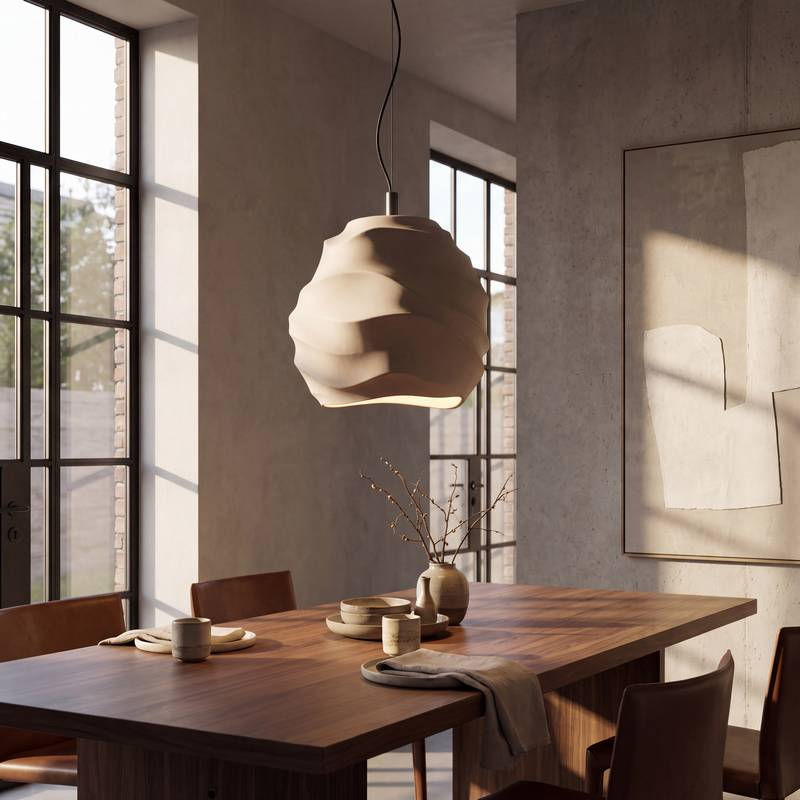


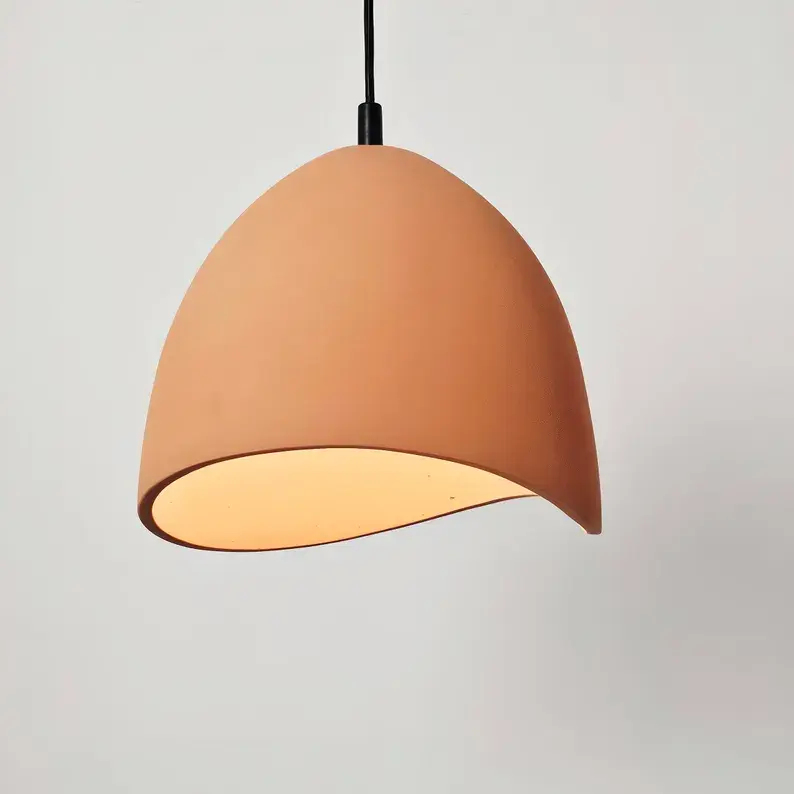


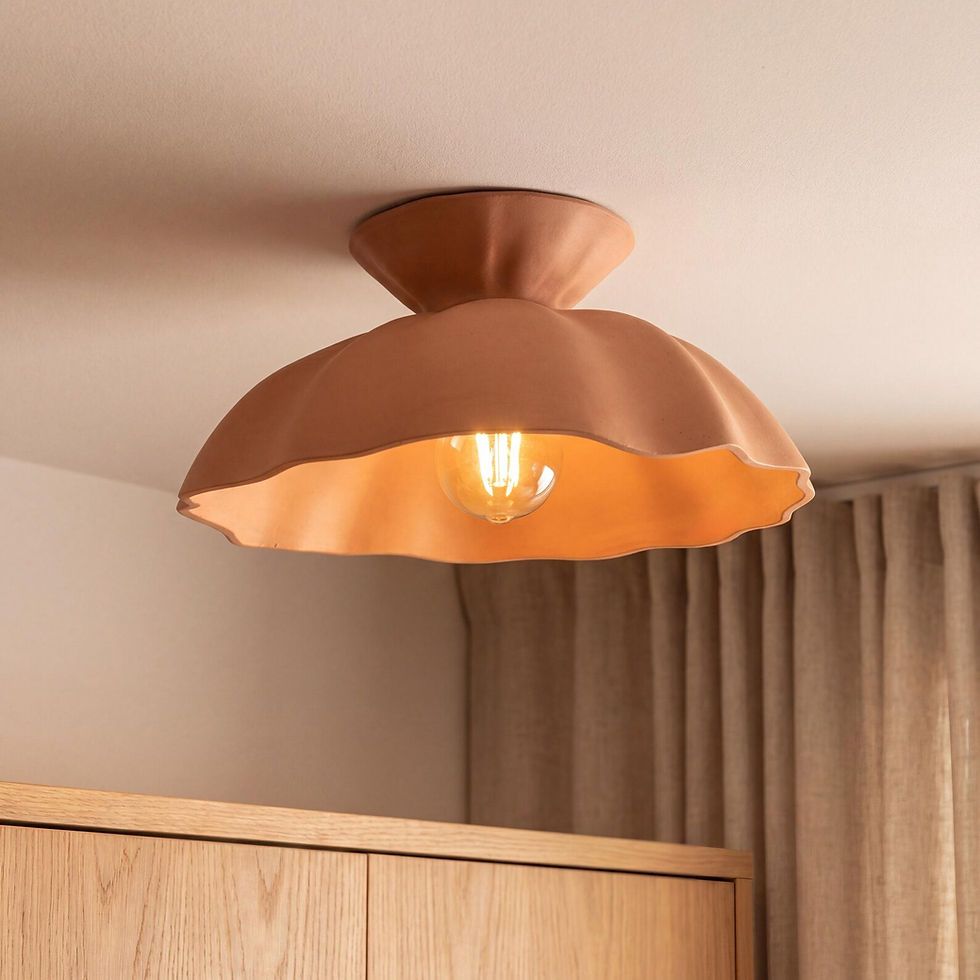


All About Ceramic Lights
Wabi Sabi Meaning
Wabi-sabi is a Japanese philosophy that finds value in imperfection, transience and natural materials. In lighting, this means clay forms with irregular surfaces, visible hand-marks, uneven edges and finishes that vary between pieces rather than trying to be uniform. A wabi-sabi pendant lamp does not look machine-made because it is not. Each piece is thrown or hand-built in clay, fired at high temperature and finished without the smoothing or standardising processes that industrial production uses. The result is a light fitting that looks organic and individual rather than replicated.
Which Rooms Suit Wabi-Sabi Lighting
Wabi-sabi lighting works in any room where warmth and material presence matter more than precision and polish. Living rooms and bedrooms are the most common placement, where an organic clay pendant or wall sconce adds depth that a painted metal or glass fixture does not. Studies and reading corners benefit from the soft, diffused light that irregular clay forms produce. Dining rooms and kitchen counters suit a wabi-sabi chandelier or pendant cluster where the organic forms complement natural wood, stone and textile surfaces better than geometric alternatives.
Why Ceramic Is the Right Material for Wabi-Sabi Lighting
Ceramic is the natural choice for wabi-sabi lighting because the material behaves the way the philosophy describes. No two fired clay pieces are identical. The kiln, the clay body, the hand-forming process and the firing temperature all introduce subtle variation that cannot be controlled out of the process. A wabi-sabi ceramic lamp therefore carries genuine imperfection rather than manufactured irregularity. The surface responds to warm bulb light differently from resin, glass or metal, casting softer gradients and producing a warmth that synthetic materials approximate but do not match.
Terracotta, Natural Clay or Colour: Choosing a Wabi-Sabi Finish
Terracotta is the most instinctive wabi-sabi finish because the warm orange-brown clay tone references earth, pottery and craft simultaneously. Natural clay in off-white or pale grey is quieter, suited to rooms where a neutral ceiling or wall pendant should recede rather than dominate. Colour finishes across fifteen options allow a wabi-sabi form in a specific room palette without losing the organic character of the clay body underneath. All three finishes deepen in colour under warm bulb light, which is the condition under which a dining or living room chandelier operates most of the time.
